
Remarkable Estimating Blog|Takeoffs & Estimates

Material Takeoffs vs. Cost Estimates: What Contractors Need to Know

"Can you send me a takeoff?" and "Can you send me an estimate?" sound like the same request, and many contractors use the words interchangeably. They are not the same deliverable, and asking for the wrong one can leave you with a document that answers a different question from the one you actually have.

Related service: material takeoff and cost estimating services.

Remarkable Estimating ServicesAuthor
Published
6 minRead time
Takeoffs & EstimatesCategory
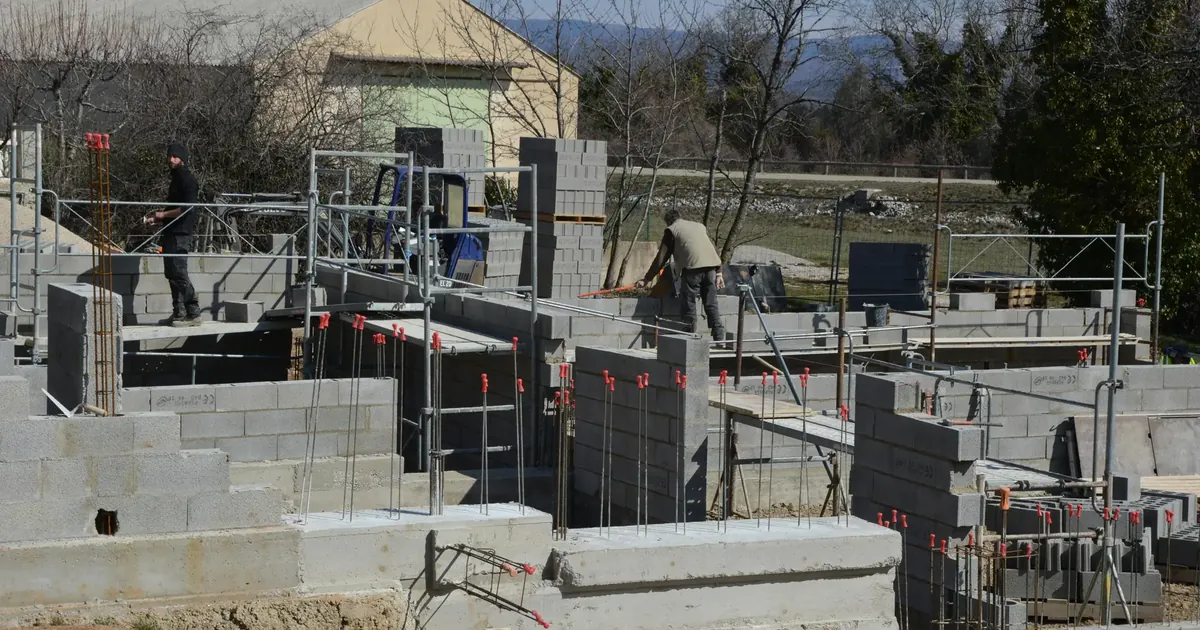
Concrete masonry block walls under construction with scaffolding on an active job site

This article lays out what each deliverable contains, when each one is the right tool, and how the two fit together in a bid workflow.

The Short Answer

A material takeoff is a measured list of the materials needed to build the work shown in the drawings: quantities, units and specifications. It answers "how much of what?"

A cost estimate takes quantities like those and turns them into money: material cost, labor, equipment, subcontracts, overhead, contingency and profit. It answers "what will it cost to deliver?"

Every reliable cost estimate contains a takeoff. Not every takeoff becomes a cost estimate.

What a Material Takeoff Includes

A good material takeoff is more than a count. It typically includes:

  • Item descriptions precise enough to buy from: size, grade, gauge, finish, rating.
  • Quantities and units measured from the drawings: each, linear feet, square feet, cubic yards, tons.
  • Location or grouping by floor, area, phase or system, so material can be ordered and staged in sequence.
  • References to the sheets and specification sections the quantities came from.
  • Notes and assumptions wherever the documents are unclear.

What it does not include is price, labor or markup. Some takeoffs add a waste allowance per item; others leave that to the buyer. Either is fine as long as it is stated.

Who uses material takeoffs

  • Suppliers and distributors preparing material quotes.
  • Subcontractors who price labor themselves but want independently measured quantities.
  • Contractors buying out a job, who need quantities organized for purchase orders.
  • Owners and developers checking that a bid's quantities line up with the design.

What a Cost Estimate Includes

A cost estimate starts with quantities and adds everything needed to arrive at a price:

  • Material pricing applied to each quantity, including waste, delivery and tax.
  • Labor hours from productivity rates, multiplied by burdened labor rates.
  • Equipment, whether rented or owned, for the durations the schedule requires.
  • Subcontractor pricing for work you do not self-perform.
  • General conditions, overhead, contingency, bonds, insurance and profit.

Our complete guide to construction cost estimating walks through each of these layers.

Who uses cost estimates

  • Contractors preparing bids or negotiated pricing.
  • Owners and lenders setting budgets and checking draw requests.
  • Project teams tracking actual costs against what was estimated.

Side-by-Side Comparison

  • Question answered: takeoff = how much material; estimate = what the work will cost.
  • Main inputs: takeoff = drawings and specifications; estimate = takeoff plus pricing, labor productivity and company markups.
  • Output: takeoff = quantity list; estimate = priced line items and a total.
  • Typical use: takeoff = purchasing, supplier quotes, quantity checks; estimate = bidding, budgeting, cost control.
  • Sensitivity to market changes: a takeoff stays valid until the design changes; an estimate needs repricing when material or labor costs move.

That last point is one of the most practical reasons to keep the two separate. If metals or lumber move between bid day and buyout, you reprice the same quantities rather than redoing the measurement.

When You Need a Takeoff Only

A material takeoff alone is often the right choice when:

  • You have reliable in-house labor productivity data and prefer to price labor yourself.
  • You are sending quantities to several suppliers for competitive material pricing.
  • You want an independent check of quantities in a bid you have already prepared.
  • You are buying out a job and need quantities broken down by delivery phase.

When You Need a Full Cost Estimate

A full estimate makes more sense when:

  • The project is outside your usual trade or scale and you lack historical data for it.
  • An owner or lender needs a defensible budget.
  • You are bidding a hard-bid public project where every line needs support.
  • Your estimating team is at capacity and you need a complete number, not just quantities.

Example: One Masonry Scope, Two Deliverables

Take a hypothetical one-story building with load-bearing concrete masonry walls.

The material takeoff lists CMU by size and type (standard, bond beam, lintel and corner units), grout volume for filled cells, horizontal joint reinforcement by length, vertical rebar by size and length, mortar, wall ties and accessories, each referenced to the wall sections and structural notes.

The cost estimate uses those same quantities and adds mason and tender labor based on productivity for this wall height and block size, scaffolding for the duration, mixer and grout pump equipment, cleanup, testing if the specifications require it, and markups. If the masonry sub's quote comes in, the estimate compares it line by line against the takeoff to confirm nothing is missing.

Same drawings, same quantities, very different documents. Our masonry estimating service delivers either one.

Common Mix-Ups and How to Avoid Them

Treating a takeoff as a bid

Adding a rough labor multiplier to a material list is not an estimate. Labor rarely scales evenly with material cost; complicated details can double labor on the same material.

Treating an estimate total as a quantity check

A total that "looks right" per square foot can hide a missed scope item offset by an overpriced one. Checking quantities requires the takeoff itself.

Not specifying what you need

When you request work from an estimating service, say whether you need quantities only, material pricing, or a full estimate with labor and markups, and in what format. It saves a round of revisions.

How the Two Fit Together in Your Workflow

The most efficient setup treats the takeoff as a reusable asset:

  1. Measure once, organized the way you price.
  2. Price the quantities for the bid.
  3. Keep the takeoff when you win, and use it for buyout and purchasing.
  4. Reprice the same takeoff if the bid is re-issued or prices move.
  5. Compare installed quantities to the takeoff at closeout to improve future estimates.

That last step is where long-term estimating accuracy comes from.

How to Request the Right Deliverable

Whether you are asking a supplier, a colleague or an estimating service, a clear request prevents rework. Include:

  • The drawings and specifications, with the current addenda, and a note of which sheets are in scope.
  • The deliverable: quantities only, material-priced takeoff, or a complete estimate with labor, equipment and markups.
  • The structure: by CSI division, by trade, by floor or phase, or matched to your own cost codes.
  • The format: Excel for further pricing, PDF for review, or both, plus marked-up drawings.
  • Pricing basis, if pricing is included: project location, prevailing or non-prevailing wages, and whether sales tax applies.
  • The deadline, with enough time for a review before bid day.

Using Takeoffs for Purchasing and Buyout

After award, the takeoff becomes a purchasing tool. Quantities organized by delivery phase let you schedule material deliveries to match the work, which reduces damage, theft and double handling on site. When suppliers quote from the same takeoff, their quotes are easier to compare, and when a supplier's quantities differ from yours, the takeoff shows exactly where to look.

Keep one version of the takeoff as the "bid set" and track changes separately. When scope changes, you can show what the original quantities were and what the change added or removed, which makes change order discussions much simpler.

Conclusion

Material takeoffs and cost estimates are two stages of the same process, not substitutes for each other. The takeoff establishes what the drawings require; the estimate establishes what that will cost to deliver in your market. Knowing which one you need, and keeping them clearly separated, leads to better bids, easier repricing and fewer surprises during buyout.

Frequently Asked Questions

Is a bill of materials the same as a material takeoff?
They are closely related. A bill of materials is usually a purchasing list for a specific product or assembly, while a material takeoff covers all materials in a construction scope measured from drawings.
Can I get a material takeoff with supplier pricing but no labor?
Yes. Many contractors request material-priced takeoffs for purchasing while pricing labor themselves. Just specify it when you send your drawings.
How is waste handled in a material takeoff?
Practice varies. Some takeoffs list net quantities and let the buyer apply waste; others include a stated waste factor per item. The important thing is that the approach is written down.
Which should I send to a general contractor with my bid?
GCs need your price, but including a scope summary or quantity breakdown helps them compare your bid against others and can make your number easier to accept.

Takeoff Only or Full Estimate? We Do Both.

Tell us what you need to decide and we will recommend the right deliverable, from a material takeoff organized for purchasing to a fully priced, CSI-organized cost estimate with labor and equipment.

Mon – Fri, 8:00 AM – 5:00 PM PST · Rush turnaround available

Get a Free Estimate

Send us your plans and we'll come back with a clear scope, a realistic turnaround, and a quote usually within 48–72 hours. Want to see our work first? Ask for a free sample estimate.

Prefer to send plans directly? Email info@remarkableestimating.com or call (424) 441-4101.

Call UsGet a Quote